
Designing an outdoor living space requires balancing everyday practicality with visual appeal. Whether you want to build a winding walkway through flower beds or create an expansive lounge zone for hosting family gatherings, selecting resilient surfaces is the foundation of any successful landscape project.
Key Factors for Selecting Outdoor Surface Materials
Before purchasing supplies, evaluate the specific demands of your yard. Heavy foot traffic, climate shifts, and seasonal precipitation all affect surface longevity. In regions that experience freezing winters and hot summers, materials must withstand intense freeze-thaw cycles without spalling or cracking.
Maintenance requirements should also influence your decision. Certain porous stones demand regular sealing to resist stains from fallen leaves, spilled drinks, or barbecue grease. Meanwhile, non-slip textures are essential around swimming pools, steps, and dining areas to ensure safety during wet weather.
Best Options for Resilient Walkways and Patios
Different zones in your backyard serve different purposes, and your surface choices should reflect those needs. Natural stone pavers like granite, slate, and limestone provide an organic look alongside exceptional compressive strength, making them ideal for busy gathering spaces.
High-grade concrete products also offer superior resilience and uniform thickness, which streamlines installation. Homeowners looking to establish a stylish dining terrace can install durable patio paving slabs that deliver both weather resistance and clean, modern lines underfoot. For secondary garden trails, crushed gravel, decomposed granite, or stepping stones embedded in creeping groundcover offer an informal, permeable alternative that handles runoff naturally.
Installation Tips to Ensure Long Term Structural Integrity
Even premium materials will fail prematurely if installed over an unstable foundation. A durable pathway or patio depends almost entirely on the sub-base preparation underneath. Excavate down to undisturbed subsoil and lay a compacted aggregate base to support expected weight loads.
Proper slope is equally crucial. Always pitch paved surfaces slightly away from house foundations and retaining walls to prevent pooling water. Utilize geotextile landscape fabric beneath gravel layers to inhibit weed emergence and stop fine bedding sand from migrating into the coarse base rock below.
Blending Hardscaping Elements with Green Spaces
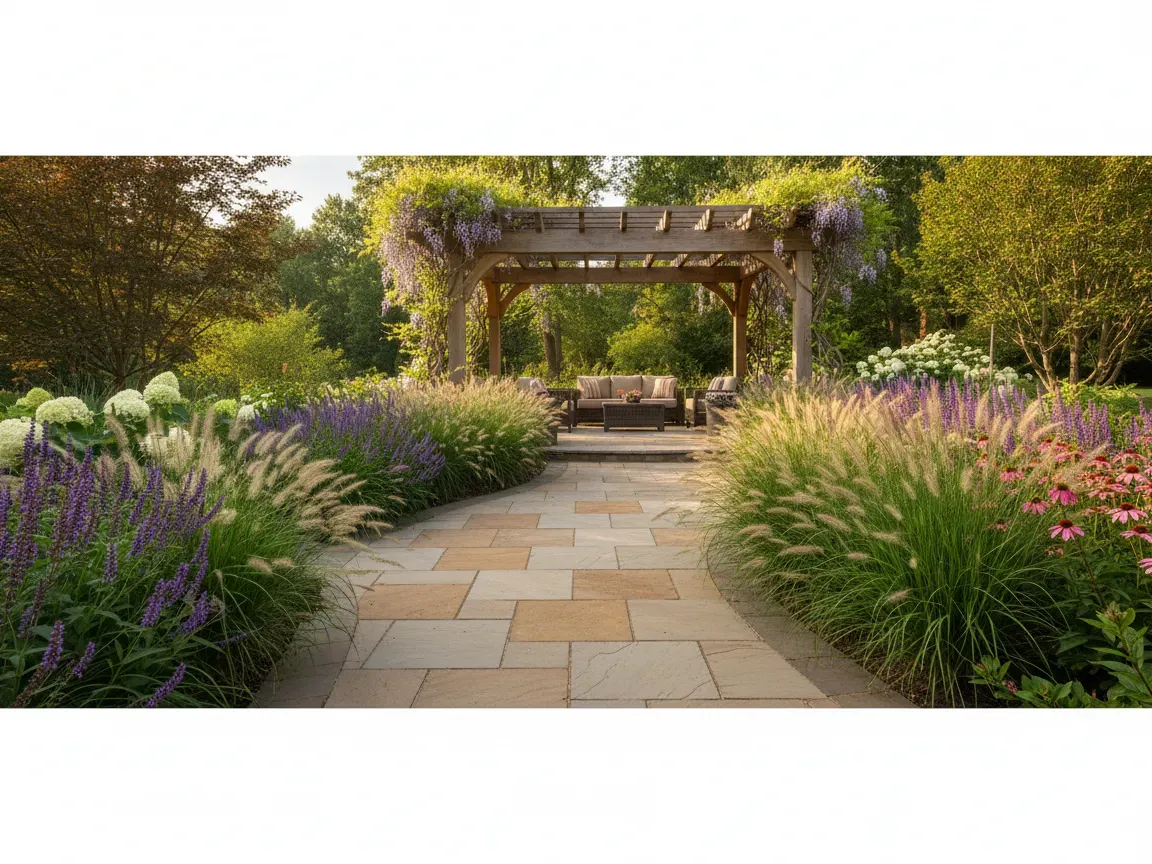
A backyard feels most welcoming when hard architectural surfaces harmonize with natural greenery and organic textures. Framing masonry walkways with low-voltage lighting, lush ornamental grasses, and perennial shrubs softens rigid borders and creates inviting transitions.
To add warmth, contrast cool stone pavers with rich wood accents like pergolas, raised planters, and cedar screens. Sourcing quality lumber and building supplies from trusted merchants like TimberStore allows you to integrate resilient timber structures that withstand the elements while unifying the overall landscape design.