
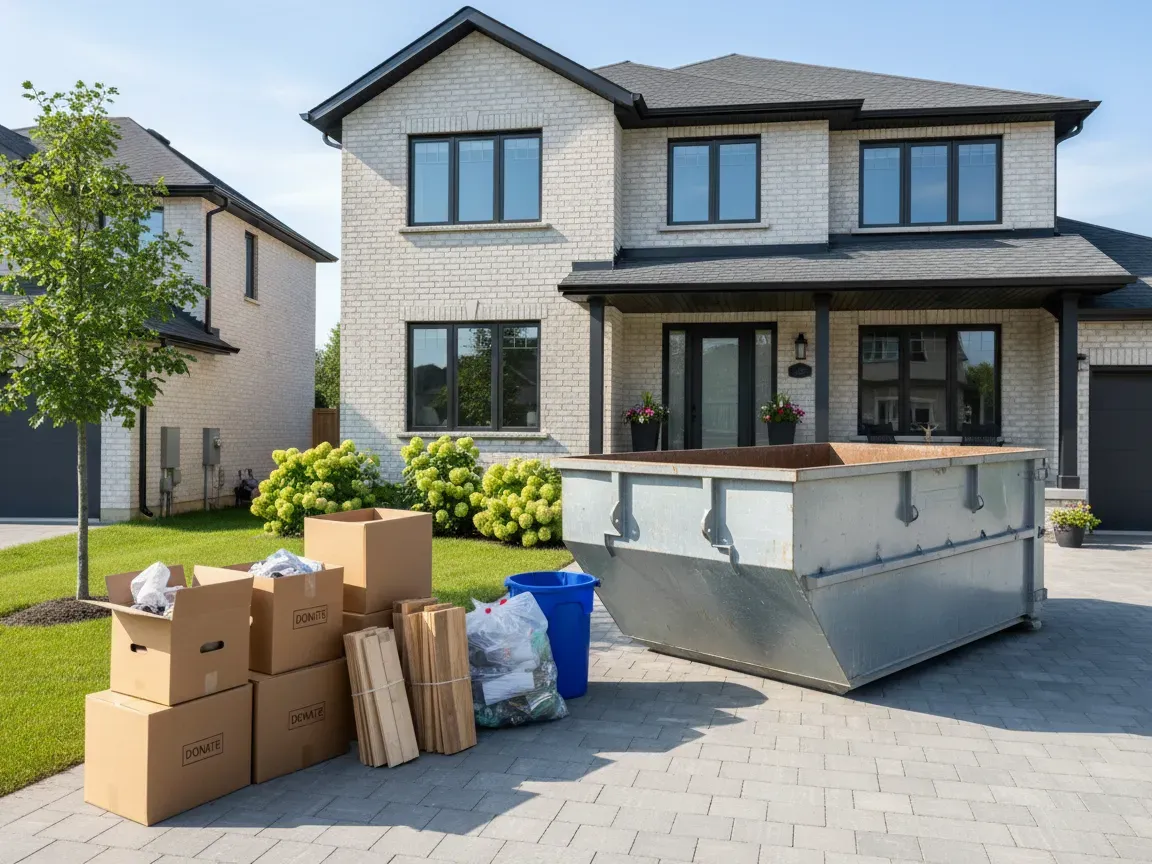

Managing household debris during a major renovation, garage purge, or estate cleanout can quickly become overwhelming. Without an organized plan, discarded materials pile up, creating safety hazards and driving up disposal fees. Implementing structured waste management strategies allows homeowners to reclaim their living spaces efficiently while keeping project expenses under control.
Essential Planning Steps for Large Residential Cleanouts
Every successful property cleanout begins with an upfront evaluation of the volume and types of materials you need to remove. Walking through each room, attic, or basement space helps you identify bulky items like broken furniture, worn-out carpets, and outdated appliances. Documenting these items in advance ensures you can schedule appropriate hauling resources before heavy lifting starts.
To keep momentum high, establish dedicated staging zones on the property. Designate separate areas for items to sell, donate, recycle, and discard entirely. This physical separation prevents cross-contamination of debris, cuts down on double handling, and significantly reduces the total amount of waste heading to landfills.
Choosing the Right Dumpster Size for Your Home Project
Selecting an incorrect container size is one of the most frequent mistakes during property cleanups. Renting a container that is too small leads to multiple haul charges and project delays, while an oversized container wastes budget space. Estimating cubic yardage based on your project scope ensures smooth loading from start to finish.
For localized projects and specialized waste containers, relying on experienced regional haulers makes logistics simple. Homeowners exploring efficient options like a trusted greenford skip hire service can secure containers tailored to residential driveways without risking surface cracking or street obstructions. Always check driveway weight limits and place protective boards beneath the steel rollers to safeguard pavers and asphalt.
Responsible Disposal and Eco Friendly Sorting Practices
Modern waste management prioritizes resource recovery over simple disposal. Separating clean lumber, scrap metal, cardboard, and masonry from standard household trash allows regional sorting facilities to divert valuable materials into secondary manufacturing streams. Scrap metal in particular often carries salvage value that can offset disposal costs.
Pay close attention to hazardous household waste, which requires separate handling under environmental safety regulations. Leftover paint, motor oil, batteries, and old electronics should never be tossed into general debris bins. Set these aside for community collection days or specialized drop-off centers to protect groundwater and maintain regulatory compliance.
Streamlining Property Cleanups with Professional Waste Services
While DIY hauling works for minor yard projects, full-scale estate clearing and structural remodels demand commercial equipment and professional logistics. Working with experienced contractors minimizes the physical strain of manual hauling and eliminates the hassle of multiple landfill trips.
Partnering with fully licensed operators like B&K Environmental Services Ltd guarantees that your waste is transported legally and sorted in accordance with strict environmental standards. Certified teams provide transparent manifests, dependable delivery schedules, and peace of mind that all discarded materials receive sustainable, responsible processing.