
Volvo is officially cutting ties with internal combustion engines in Sweden, marking a definitive shift toward an all-electric future right on its home turf. By halting sales of traditional gas-powered models, the automaker effectively sidelines around 290,000 gas vehicles from its domestic sales footprint. This decisive pivot positions Sweden as the ultimate testing ground for the brand’s long-term electrification goals.
Volvo’s Strategic Exit from Gas-Powered Vehicles in Sweden
For decades, the traditional gas-powered Volvo was a fixture on Swedish roads. The decision to pull pure internal combustion engines from dealer showrooms in Sweden highlights how fast the automaker wants to transform its lineup. Rather than waiting for external deadlines, Volvo is taking proactive control of its product catalog.
This move is not an isolated experiment. It represents a practical milestone in phasing out legacy technology where consumer adoption of battery-electric vehicles is already mature. By prioritizing pure electric models and plug-in hybrids, Volvo simplifies its regional supply chain, reduces assembly complexities, and redirects capital directly into battery development and software platforms.
Market Impact: What the Shift Means for 290,000 Drivers
Removing gas-powered options directly influences a substantial segment of the vehicle population. In Sweden, roughly 290,000 gas-powered cars reflect the historical footprint that the brand must now transition toward battery power.
- Existing gas car owners will rely more heavily on aftermarket parts and independent repair shops as dealer networks pivot their focus toward electric drivetrains.
- Prospective buyers must now decide between transitioning directly to a fully electric model or looking elsewhere if they are not yet ready to rely on a charging cord.
- The domestic pre-owned market is expected to see sustained demand for existing gas and mild-hybrid models, keeping residual values strong in the short term.
- Fleet managers and corporate transport operators face immediate pressure to update procurement guidelines to accommodate an exclusively plug-in inventory.
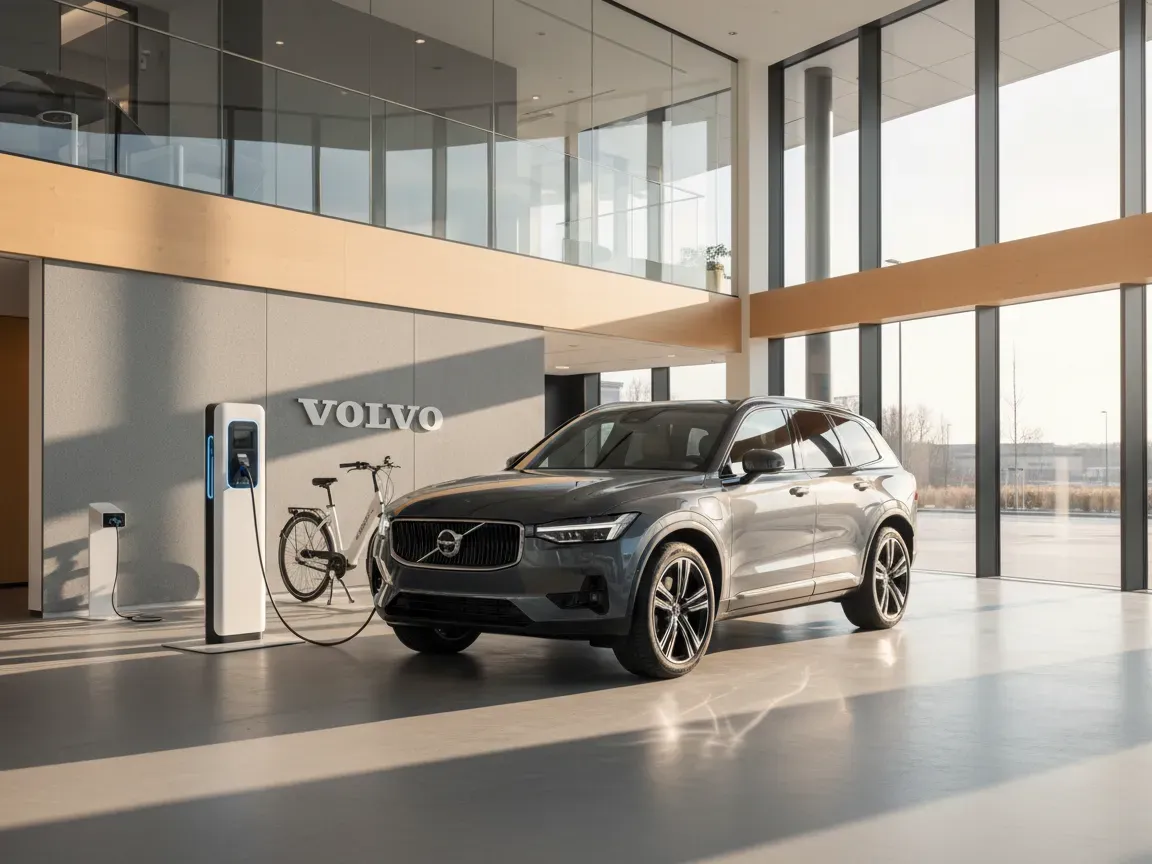
While everyday drivers who still own gas models will not lose access to maintenance overnight, the retail experience is undergoing an irreversible change. Showroom floors will no longer cater to conventional fueling preferences.
Infrastructure and Dealership Readiness for an All-Electric Fleet
Transitioning an entire domestic market away from gas tests every part of the automotive ecosystem. Dealership networks across Sweden have spent years preparing service bays for high-voltage systems, specialized battery diagnostic tools, and new technician certifications.
Showrooms are also adapting their operational roles. Dealerships are shifting from purely selling hardware to educating customers on residential charging setups, public charging network access, and cold-weather range management.
At the municipal and national level, public charging infrastructure must keep pace with this influx of new EV drivers. Urban centers in southern Sweden boast robust fast-charging corridors, but expanding reliable fast-charging plazas into more rural northern areas remains essential to prevent bottlenecks during peak travel periods.
Regulatory Drivers and Volvo’s Global EV Roadmap
Sweden’s regulatory climate provided the perfect conditions for this early phaseout. Aggressive national emissions reduction targets, combined with regional corporate fleet mandates and climate-focused taxation, make combustion engines increasingly uneconomical to sell and operate.
The domestic shutdown of gas sales serves as a live blueprint for the rest of the world. What Volvo learns in Sweden regarding inventory logistics, buyer resistance, and grid integration will directly shape rollouts across larger markets such as mainland Europe, North America, and China.
By proving that a legacy car brand can survive and thrive without offering gas engines in its home country, Volvo establishes a benchmark for how the rest of the global automotive sector will eventually conclude the era of internal combustion.