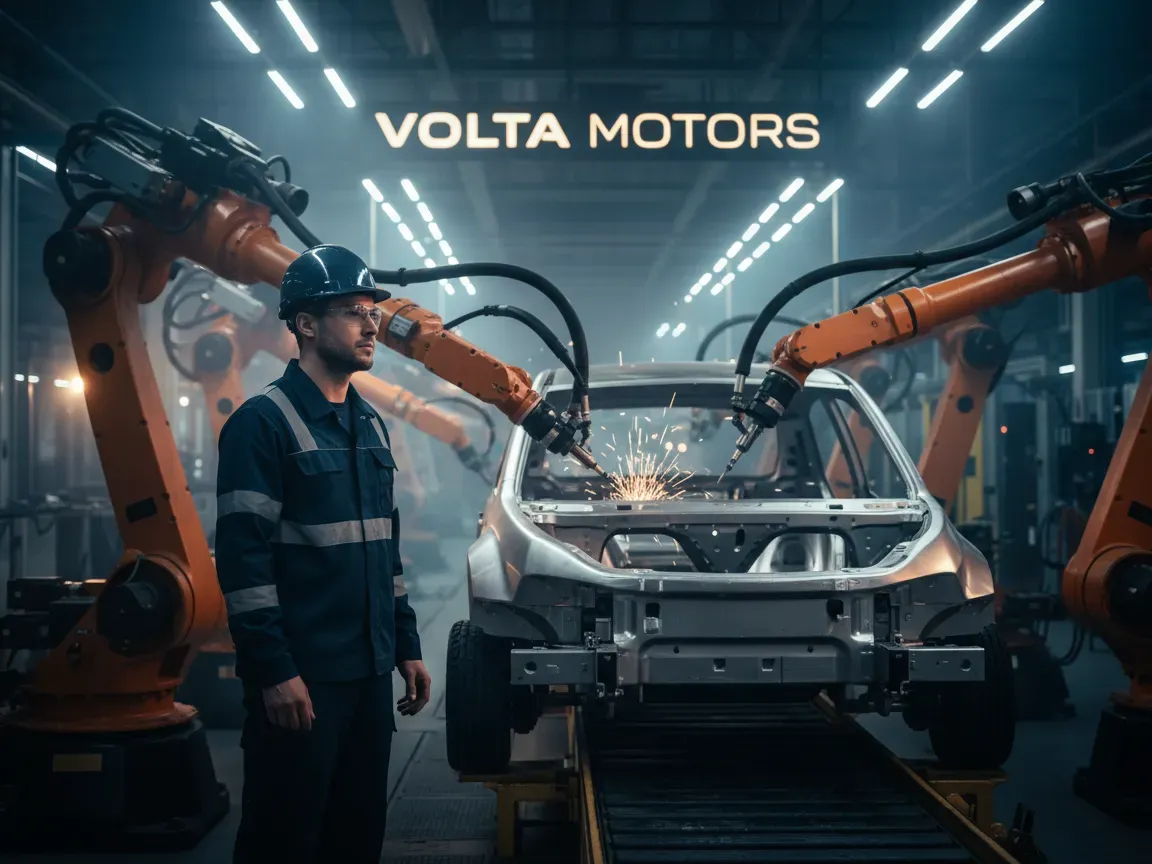

Chinese electric vehicle powerhouse BYD is moving fast to establish a permanent industrial base in Europe. Instead of relying solely on cargo ships hauling vehicles from Shenzhen, the company is building an integrated manufacturing ecosystem on European soil. This aggressive push marks a fundamental shift from a pure export strategy to localized heavy industry.
By establishing assembly lines and regional battery production, BYD aims to cut logistics overhead, eliminate shipping bottlenecks, and integrate itself directly into the continental economy.
Inside BYD’s Ambitious European Production Roadmap
BYD’s entry into the European continent is not an experimental pilot program. It represents a fully calculated operational offensive designed to establish long-term market dominance. For years, Asian automakers faced skepticism regarding whether they could establish reliable, deep-tier manufacturing networks outside their home territories. BYD intends to dispel that doubt by building complete supply chains close to target consumers.
The overarching roadmap focuses on reducing reliance on long-distance ocean freight, which has historically exposed manufacturers to volatile shipping rates, port delays, and regional geopolitical choke points. By shifting core production into Europe, the company can:
- Shorten order fulfillment timelines for retail buyers across major European markets
- Shield production schedules from maritime disruptions along critical trade corridors
- Align technical specifications and quality control directly with regional road standards
- Build political and economic goodwill through regional job creation and capital investment
Hungary Factory Prepares for Large-Scale EV Output
The anchor of BYD’s European strategy is situated in Szeged, Hungary. This passenger car plant is engineered to reach an annual capacity of 200,000 electric vehicles, providing the company with the operational scale needed to compete with established regional manufacturers. Hungary offers a central geographic position, mature rail connections, and an established industrial supplier base that already serves top tier German brands.
Launching high-volume manufacturing in Hungary enables BYD to transition from an overseas challenger to a localized producer. The 200,000-unit threshold is critical because it gives the brand sufficient volume to lower per-unit manufacturing costs while fulfilling fleet and consumer demand without long transatlantic or transcontinental transit windows.
Why Local Battery Manufacturing Is Vital for BYD?
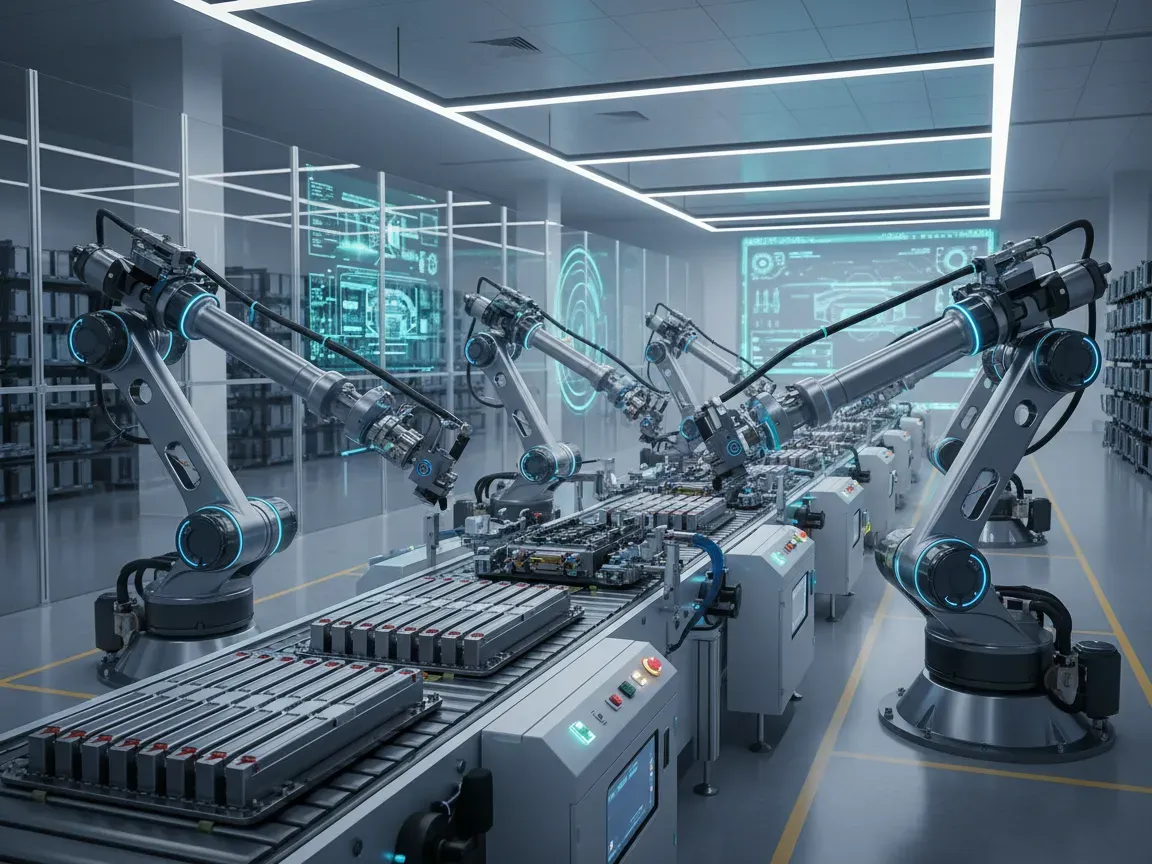
Passenger vehicles are only half of the equation; the heart of every electric vehicle is its power pack. BYD is uniquely positioned as both an automaker and one of the largest battery manufacturers in the world. Building a localized battery plant in Europe is a mandatory strategic requirement rather than an optional project.
Transporting completed lithium iron phosphate packs across oceans introduces immense logistical complexity, strict safety regulations, and high shipping expenses. Regional cell manufacturing allows BYD to:
- Feed battery modules straight into final vehicle assembly lines with minimal transit time
- Optimize cell chemistry and thermal management designs for varied European climates
- Maintain total proprietary control over its Blade battery production standards
- Drastically reduce supply chain friction caused by international customs processing
Localizing cell production secures BYD’s cost advantage. It prevents the brand from depending on third-party European battery vendors whose output is already constrained or claimed by domestic automakers.
Potential European Hubs for a Second Assembly Facility
A single facility producing 200,000 units each year is merely the starting point. BYD has already initiated planning discussions regarding a second assembly hub within Europe, proving that the Hungarian site is not a standalone venture. Expanding to a second plant will double down on market penetration and broaden the company’s geographical footprint.
Several member states are competing for this prospective investment. Industrial centers in Southern and Western Europe are actively pitching their infrastructure, access to renewable energy, and skilled automotive workforces. Securing a second hub will allow BYD to diversify its assembly base, hedge against localized labor shortages, and tailor specific vehicle models to regional customer tastes across different parts of the continent.
Supply Chain Localization as a Defense Against Import Tariffs
Trade dynamics between global manufacturing hubs and European regulators are growing increasingly tense. By anchoring vehicle assembly and critical component fabrication inside the European Union, BYD builds a functional defense against rising import tariffs aimed at foreign-made electric cars.
Vehicles constructed within European borders using locally made batteries bypass heavy border duties that would otherwise compress profit margins. Furthermore, localized supply lines fulfill regional value-add thresholds that are becoming mandatory for clean vehicle purchase incentives and government fleet procurement programs. This legal and financial buffer ensures BYD can price its models aggressively while maintaining sustainable operating margins.
How Will BYD’s Strategy Reshape Europe’s Automotive Landscape?
The arrival of localized BYD manufacturing puts unprecedented competitive pressure on legacy European car companies. For decades, traditional manufacturers maintained a protective moat built on local factory networks, dealer infrastructure, and familiar brand equity. BYD is systematically dismantling that advantage by adopting the exact same localized blueprint, backed by superior battery supply integration.
Domestic European brands are forced to accelerate their electrification timelines and rethink their pricing models. As BYD ramps up production, the barrier between domestic legacy brands and foreign upstarts will blur. European consumers will gain access to lower-cost electric options assembled locally, permanently disrupting the traditional hierarchy of the European auto industry.
The long-term trajectory points to a transformed continent where vehicle provenance is defined by the plant location rather than the origin of the corporate headquarters. Automotive buyers and commercial fleet operators stand to benefit directly from this industrial shift through lower acquisition costs and faster delivery cycles.
As regional production lines come online, the electric vehicle transition will decouple from global shipping bottlenecks, making mass-market electric mobility more dependable and readily accessible across Europe.