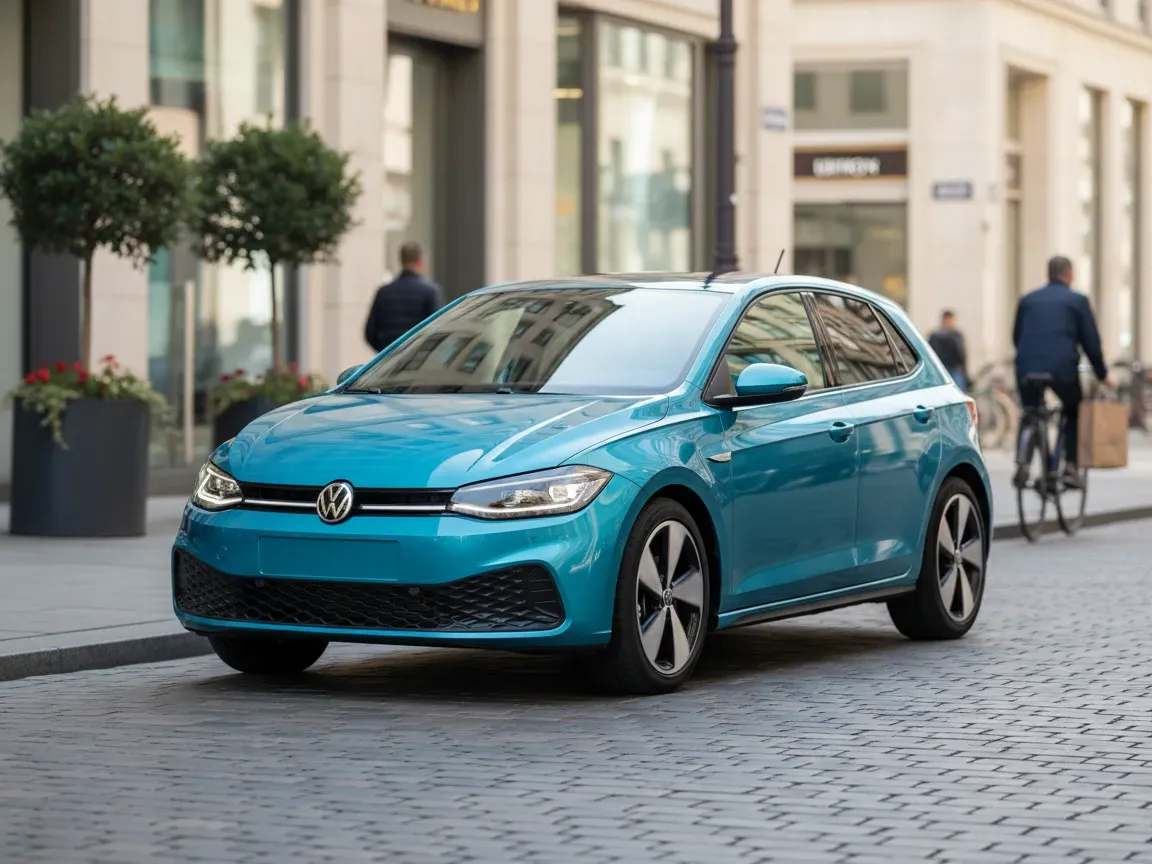

Volvo is initiating a massive operational restructuring at its primary manufacturing hub in Gothenburg, Sweden. The strategic overhaul marks a decisive pivot toward next-generation electric vehicle platforms, but it comes at a significant cost to the traditional labor force. With thousands of manufacturing positions suddenly at risk, the reorganization highlights the harsh realities legacy automakers face as they phase out internal combustion engine production in favor of battery-driven mobility.
Volvo’s Major Operational Shift in Gothenburg
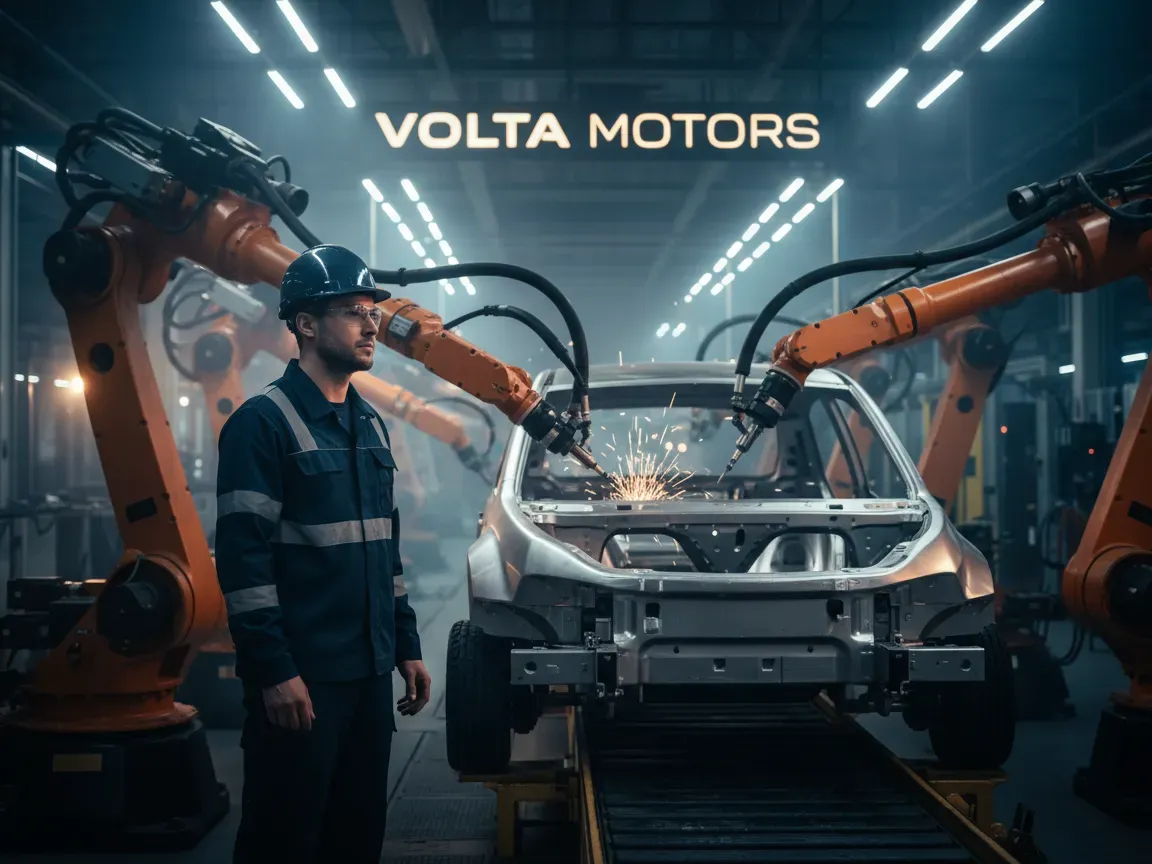
The Gothenburg facilities have long served as the heart of Volvo’s global vehicle assembly and engineering operations. Under the new restructuring plan, the automaker is retooling assembly lines, phasing out legacy architecture, and consolidating production lines to handle dedicated EV skateboards and modular battery integration.
This level of plant transformation requires fewer manual assembly steps than conventional manufacturing. Electric powertrains contain far fewer moving components than internal combustion setups, which fundamentally reduces the labor hours required per vehicle. To stay competitive against agile EV startups and lower-cost international competitors, Volvo is streamlining floor space, installing automated handling systems, and reallocating capital expenditures to advanced software and electronics.
The Employment Impact and Labor Union Responses
The sudden scale of this overhaul has triggered major friction between Volvo leadership and industrial labor unions. Estimates indicate that thousands of factory floor workers and related administrative personnel could face layoffs, contract buyouts, or forced reassignments as assembly lines are decommissioned.
- Union representatives are demanding transparent transition timelines rather than abrupt line closures.
- Collective bargaining discussions now center on aggressive retraining programs to help mechanical assembly staff transition into high-voltage electrical and automated systems roles.
- Disagreements persist over early retirement packages and severance terms for senior manufacturing staff whose roles cannot easily adapt to software-driven assembly environments.
Labor groups emphasize that while they recognize the inevitability of the EV transition, the speed of the current restructuring leaves vulnerable segments of the workforce behind without adequate support or career paths.
Accelerating the Transition to Electric Platforms
This operational upheaval in Gothenburg reflects a broader transformation across the international transportation sector. Automakers can no longer afford to run split-architecture platforms that compromise EV efficiency just to keep legacy tooling relevant.
Volvo’s strategy involves fully committing to purpose-built electric architectures that maximize interior space, aerodynamics, and structural battery housing. Implementing these designs requires entirely new manufacturing cells, clean-room environments for battery pack assembly, and automated guided vehicles on the shop floor. By overhauling the Gothenburg plants now, management aims to drive down unit production costs, simplify modular assembly, and meet aggressive corporate targets for a fully electric product catalog by the end of the decade.
Supply Chain Disruptions and Economic Repercussions
The ripple effects of this manufacturing pivot extend far beyond Volvo’s factory gates. Gothenburg serves as the center of a dense ecosystem of tier-one, tier-two, and tier-three automotive suppliers that have spent decades supplying parts for internal combustion engines.
- Regional metal fabrication plants and exhaust manufacturers face immediate drops in purchase orders.
- Warehousing and freight networks must quickly adapt from delivering bulk mechanical hardware to transporting hazardous materials like lithium-ion cells.
- Specialized local suppliers must either pivot to lightweight composites, wiring harnesses, and battery thermal management parts or face insolvency.
The resulting economic strain threatens surrounding industrial districts, which rely heavily on Volvo’s assembly operations for steady logistics contracts and commercial employment.
Future Outlook for Sweden’s Automotive Manufacturing
Sweden has positioned itself as an advanced hub for sustainable industrial production, from green steel initiatives to regional battery cell gigafactories. Volvo’s pivot in Gothenburg is a test case for whether legacy industrial powerhouses can reinvent themselves without gutting their home base economies.
If the transition succeeds, Gothenburg could establish a new blueprint for high-efficiency, automated EV production powered by renewable energy and high-tech manufacturing skills. However, the short-term reality remains difficult. The automotive sector must balance aggressive modernization targets against the disruption felt across local communities. As traditional engine assembly fades, the industry must demonstrate that automated, battery-driven mobility can eventually create sustainable regional value to replace the thousands of blue-collar roles lost along the way.