

When cold weather sets in, keeping your living space warm often leads to a sharp spike in monthly utility expenses. Many homeowners assume that high heating costs are simply an unavoidable reality of the winter season. However, your choice of home heating equipment directly dictates how much power you consume every day. By understanding how modern technology distributes warmth, you can easily maintain cozy indoor temperatures while significantly trimming your regular expenses.
Why Old Heating Units Drive Up Winter Utility Costs
Older heating equipment frequently drains your budget because of slow response times and uneven heat output. Outdated cast iron or low-grade units tend to develop internal blockages or struggle with sluggish water flow, forcing your primary heat source to run much longer just to reach a comfortable temperature. Moreover, older units lack responsive temperature feedback, which causes rooms to overheat before cycling down completely, creating wasteful temperature swings.
Another hidden cost of dated systems is the complete absence of room-by-room personalization. Traditional setups often force you to heat the entire house to warm a single occupied bedroom or home office. When you depend on aged infrastructure, energy is continuously lost through poorly insulated walls or empty hallways, leading to unnecessary utility spending throughout the winter.
Upgrading to Modern High Efficiency Radiators for Targeted Comfort
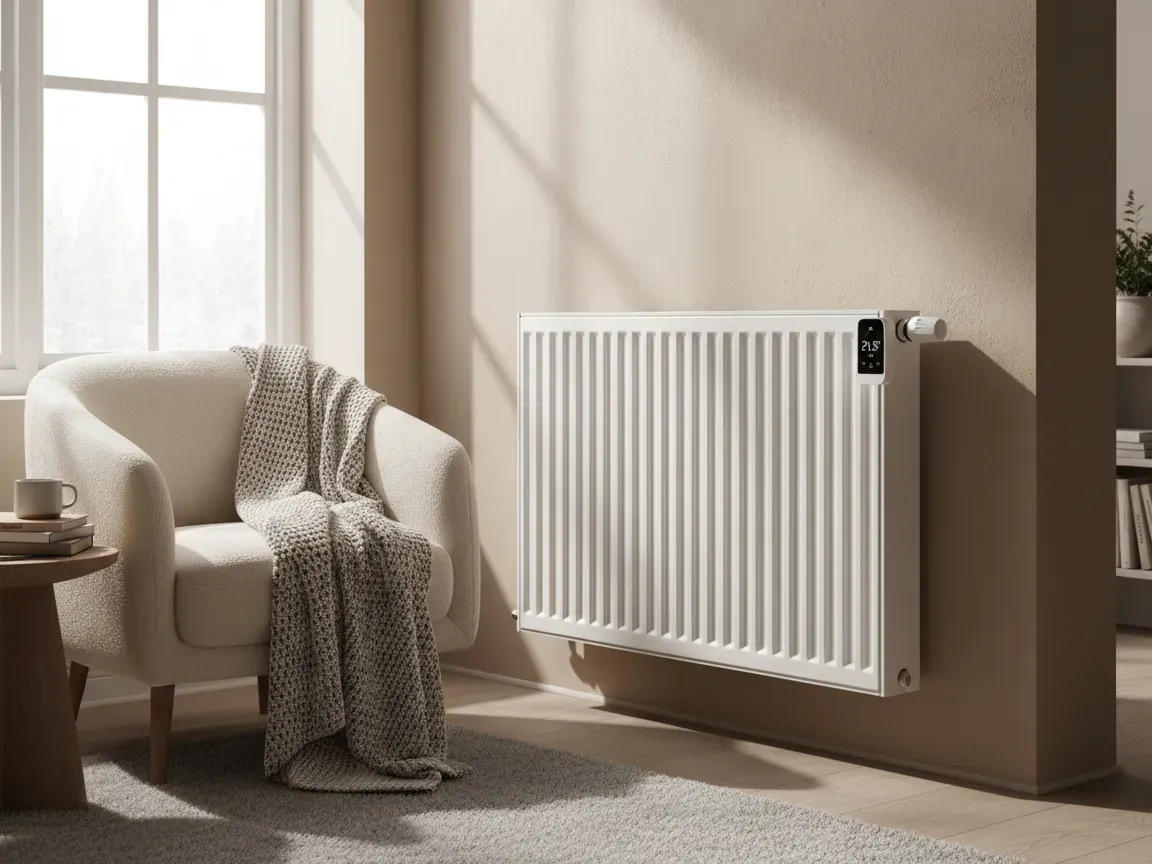
Investing in modern radiator technology is one of the most reliable ways to eliminate wasted power. Contemporary designs use advanced materials like high-grade aluminum that heat up quickly and transfer warmth into the room far more rapidly than older fixtures. If you want to replace an outdated setup, selecting an advanced electric central heating London solution can give your home rapid heat response and total temperature control across every room.
Modern radiators also integrate seamlessly with zoning setups. Instead of running a single demanding cycle across your entire property, zoned heating allows you to activate only the radiators in spaces you actively occupy. Top manufacturers and suppliers like Culm Stores offer efficient models that deliver precise thermal output, helping homeowners design a tailored heating layout that uses only the electricity necessary for true comfort.
Practical Thermostat Habits to Maximize Daily Energy Savings
Upgrading hardware is only part of the equation; developing efficient daily habits will amplify your overall savings. Programmable thermostats and smart thermostatic radiator valves (TRVs) allow you to schedule lower temperatures when you are asleep or away at work. Lowering your indoor temperature by just one or two degrees can cut your annual heating consumption by up to ten percent without compromising comfort.
Smart thermostats can also learn your household routine and adjust radiator activity automatically. Instead of leaving the heating running all afternoon, you can schedule it to turn on shortly before you return home. Avoid the temptation to crank the thermostat to maximum when entering a cold room, as modern units warm spaces steadily without using emergency power surges that drive up bills.
Easy Maintenance Steps to Keep Heating Systems Running Smoothly
Consistent maintenance ensures that your radiators operate at peak performance throughout the coldest months. Bleeding hot water radiators at the start of the season removes trapped air pockets that prevent warm water from filling the entire panel. If the top of your radiator feels cool while the bottom is hot, bleeding the unit will instantly restore full thermal efficiency.
In addition to checking for trapped air, pay close attention to the physical space around each heating fixture. Keep furniture, heavy curtains, and laundry racks away from radiators so warm air can circulate freely throughout the room. Regularly dusting the exterior fins and vacuuming beneath the units prevents grime from acting as an insulating layer, ensuring that every watt of energy translates directly into reliable indoor warmth.