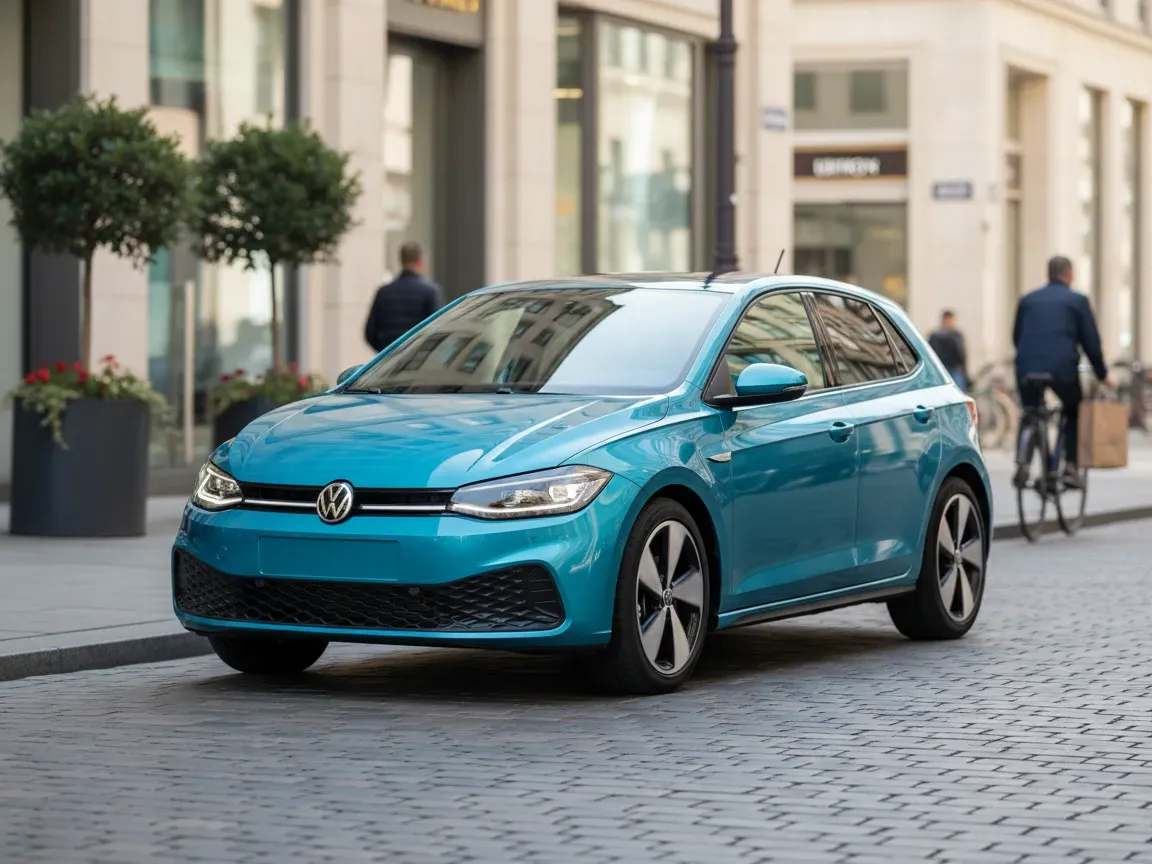

Volkswagen is preparing to shake up the budget electric vehicle landscape, and the initial test drives of the ID. Polo show that the German automaker is serious about democratizing battery power. Positioned as an accessible entry point into the brand’s electric lineup, this subcompact EV combines familiar Polo dimensions with next-generation electric architecture.
Early impressions from automotive journalists suggest that Volkswagen managed to lower the price barrier without stripping away the core driving dynamics buyers expect from modern electric cars.
Initial Test Drive Impressions and Road Performance
Behind the wheel, the Volkswagen ID. Polo immediately feels responsive and planted. Thanks to a low center of gravity created by the battery pack mounted beneath the floor, the car displays minimal body roll through tight corners. City driving is where it truly shines, offering light steering, an exceptionally tight turning circle, and quick off-the-line acceleration that makes urban maneuvering effortless.
Highway manners are equally composed. The suspension setup absorbs bumps and uneven road surfaces effectively, preventing the harsh, choppy ride that often plagues shorter-wheelbase electric cars. Wind and road noise remain well isolated at higher speeds, proving that Volkswagen prioritized cabin comfort alongside city agility.
Volkswagen ID. Polo vs. ID.3 Neo: Key Differences
While the ID. Polo shares styling cues and software elements with the larger ID.3 Neo, several critical differences set them apart:
- Footprint: The ID. Polo features more compact exterior dimensions, making it easier to park in dense urban areas, while the ID.3 Neo offers greater rear passenger legroom and more trunk space.
- Platform architecture: The ID. Polo utilizes a front-wheel-drive layout optimized for cost and packaging efficiency, contrasting with the rear-wheel-drive dynamics found on standard ID.3 Neo models.
- Ride quality: Despite its smaller size, test drivers note that the ID. Polo delivers ride comfort that remains remarkably competitive with the larger ID.3 Neo on typical commutes.
- Utility focus: The ID. Polo focuses on practical daily commuting and urban transport, whereas the ID.3 Neo leans toward long-distance cruising capability.
Pricing Strategy and Affordable EV Market Positioning
Pricing remains the central pillar of Volkswagen’s strategy for this model. With an expected starting price around 320,900 SEK, the ID. Polo serves as the company’s tip of the spear in capturing the budget-conscious segment of the market. This pricing structure directly challenges entry-level competitors and provides a viable transition path for drivers looking to replace their gas-powered compacts.
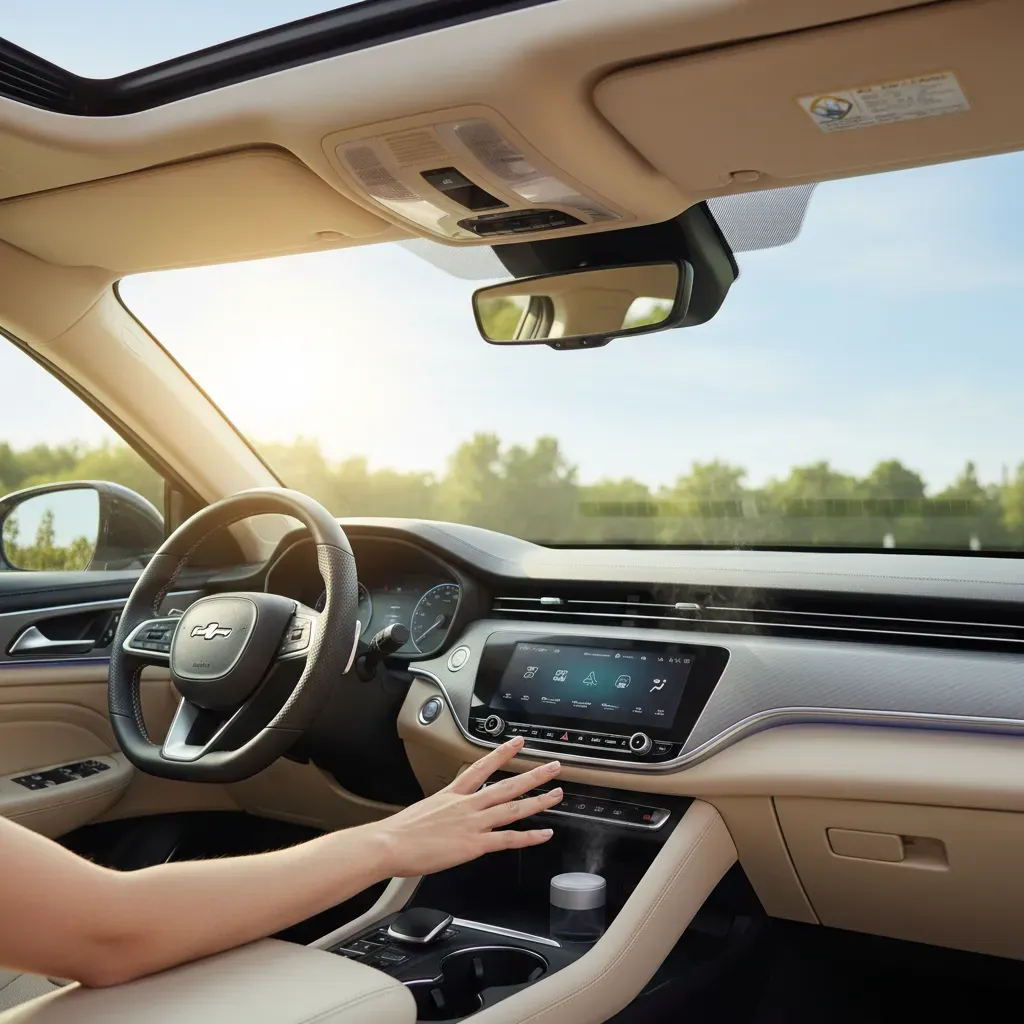
To achieve this price point, Volkswagen implemented smart cost optimization throughout the cabin and chassis. Expensive luxury finishes have been swapped for durable, textured plastics and simplified interior components. Crucially, automotive reviewers emphasize that these budget-conscious interior choices do not compromise the vehicle’s core technology, battery efficiency, or usable driving range. The digital instrument cluster and central infotainment system retain fast response times and full feature sets.
Expert Verdict: Can the ID. Polo Dominate the Entry-Level Segment?
Automotive journalists view the ID. Polo as a crucial turning point for Volkswagen. By addressing previous criticisms regarding software and high pricing, the company appears to have delivered a balanced product that prioritizes usability over unnecessary gimmicks.
The entry-level EV space is becoming fiercely contested, but the ID. Polo brings a familiar brand legacy, robust build quality, and strong road manners to the table. If production models match the refinement and value seen in these early test drives, Volkswagen will have a serious contender to lead the affordable electric vehicle market.